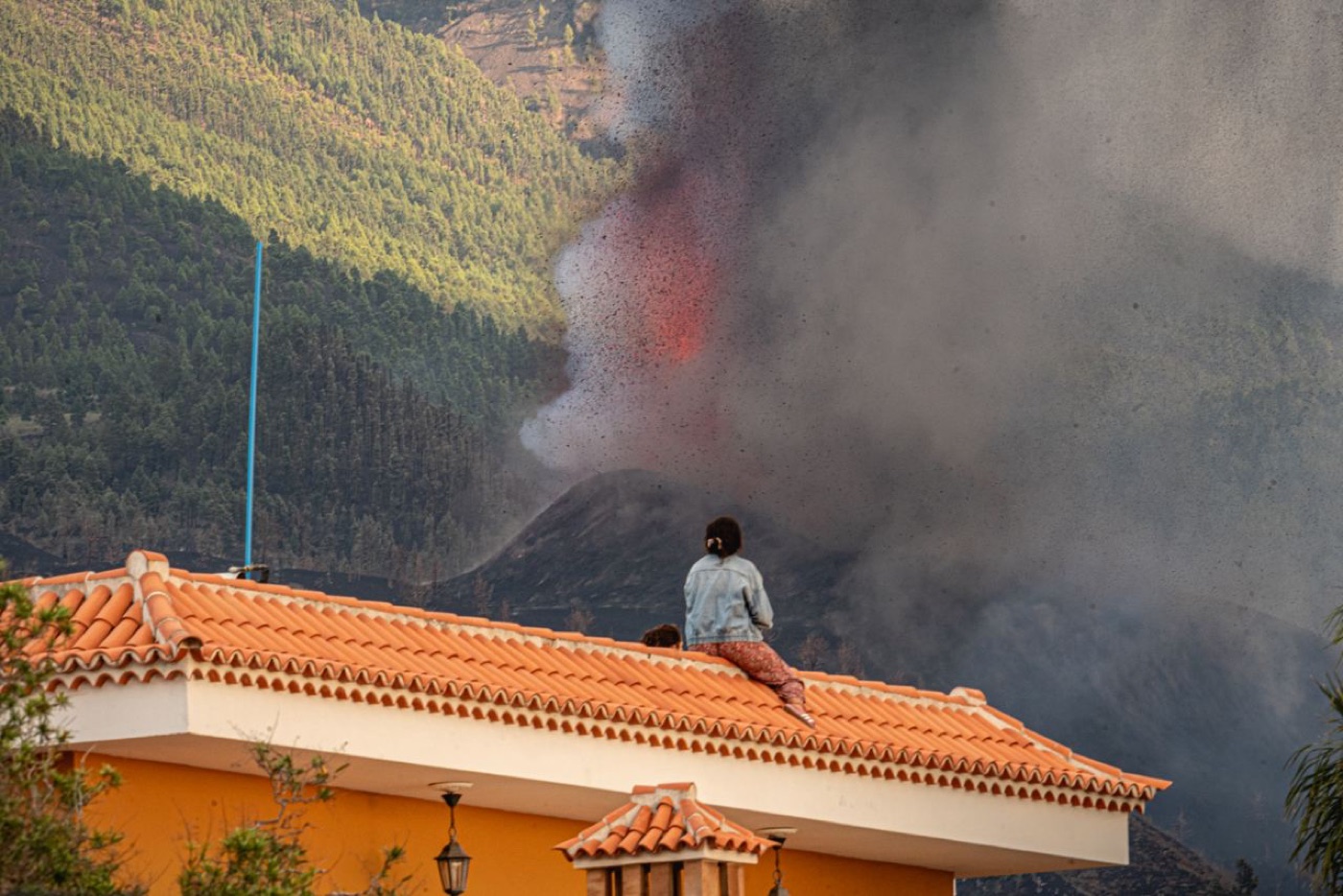
I watched it from the valley. For nearly three months in the autumn of 2021, a new volcano roared away on the ridge above the Aridane valley, and all of us who live here watched the sky glow orange at night and swept ash off our cars in the morning. It is the single biggest thing to happen to La Palma in living memory, and if you visit today you will see its mark everywhere. Here is what actually happened, and the remarkable story of how the island put itself back together.
The eruption
The volcano, later named Tajogaite, opened up on the Cumbre Vieja ridge on 19 September 2021. It did not stop until 13 December, 85 days later, the longest eruption in the island’s recorded history. Around 7,000 people were evacuated, many of them with minutes to grab what they could carry.
The numbers are hard to take in. Lava buried more than 1,200 hectares of the island. Close to 3,000 buildings were destroyed, most of them homes, along with around 270 holiday properties. Over 900 hectares of farmland, much of it banana plantation, the livelihood of the valley, was swallowed by lava or buried under thick ash. The lava poured all the way to the sea and built a whole new headland of black rock where there had been open water. The total damage came to something like 843 million euros.
The town that disappeared
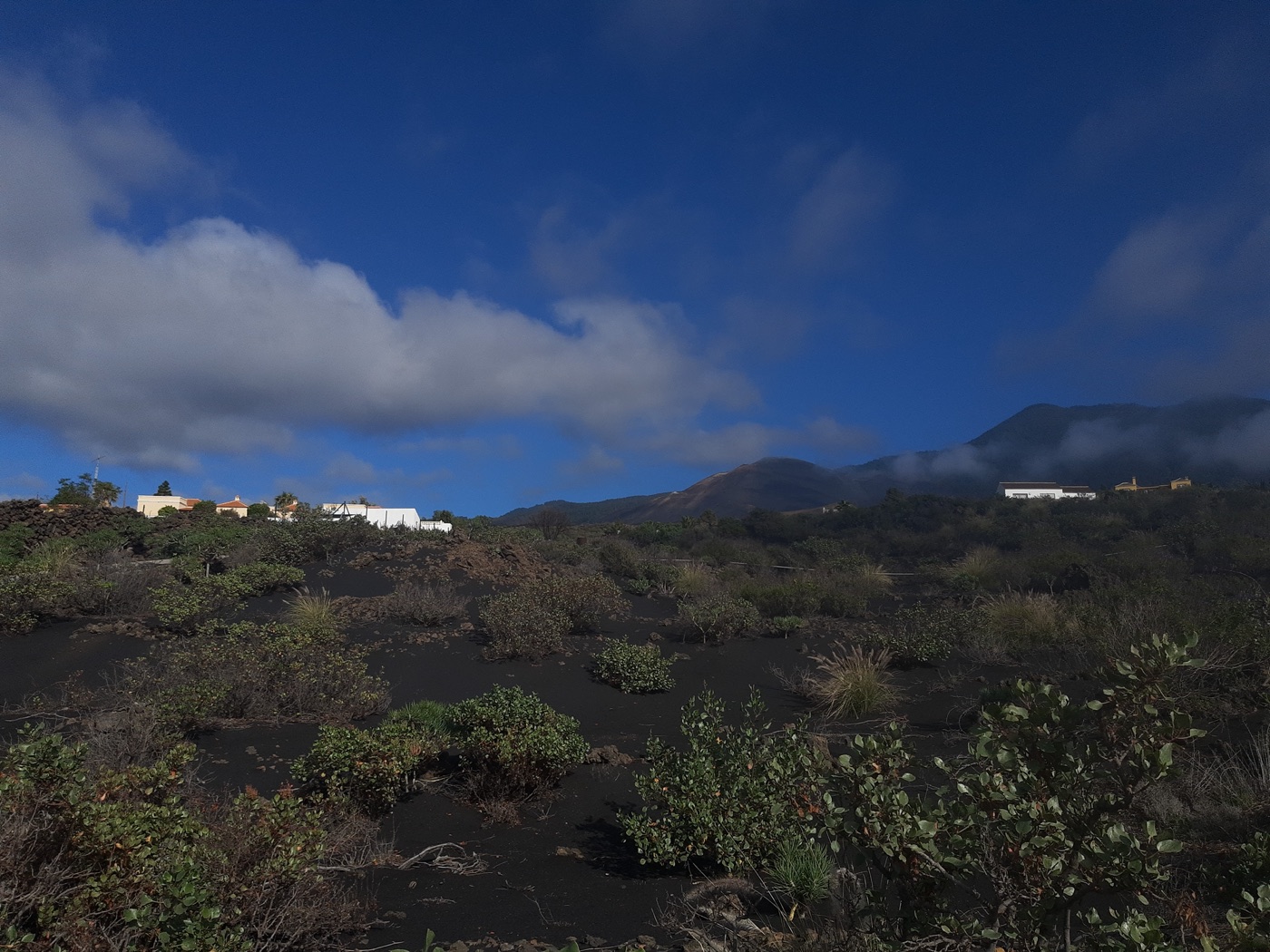
The hardest part to describe is Todoque. It was an ordinary, lively village, with a school, a church, shops, families who had been there for generations. Over a few days the lava came through and it was simply gone, along with its neighbourhood of Los Campitos. Parts of La Laguna went the same way. When you stand at a viewpoint now and look at the vast grey-black field below, it is easy to forget you are looking at streets, homes and lives that are still under there. We do not.
An island cut in two
Beyond the homes, the lava did something that paralysed daily life: it cut the west of the island in half. The main coast roads, the LP-2 and several others, vanished under flows up to 50 metres deep. Suddenly people in the south could not simply drive north to Los Llanos or on to the capital, Santa Cruz. To get from one side of the flow to the other, a journey of a couple of minutes before, you had to drive the long way around a good part of the island. Families were split from their schools, their jobs and each other by a wall of steaming rock. And it stayed that way for a long time.
Building a road across a lava flow
This is the part that still amazes me. Rather than wait years for the lava to cool, engineers went and built a brand new road straight over the top of it.
It reopened on 25 May 2023, around a year and a half after the eruption ended. The new coastal road runs 3.9 km, and roughly 2,460 metres of it sits directly on the fresh lava flows, with a 243-metre viaduct thrown across a gap between two of them to keep the road level. It cost 38 million euros. And here is the wild bit: they were cutting and compacting a road surface on lava that, only a few months after the eruption, was still over 500 degrees Celsius inside. Volcanic lava cools astonishingly slowly. It was, in the engineers’ own words, an unprecedented job, road-building on ground that was still cooking.
At the roundabout where the new road meets the old, there is a monument I love: two excavator buckets, one reaching from the north and one from the south, meeting in the middle above the lava. It marks the moment the diggers working from both sides finally broke through to each other and the island was whole again. If you drive the coast road, slow down and have a look. It says more about this place than any plaque could.
Not everything is finished. The higher inland road, the old LP-2 between Tajuya and Las Manchas, is still buried and its rebuild has been slow and tangled in red tape. La Palma is still very much a work in progress.
Can you visit the volcano now?
Yes, and you should. The eruption is long over, scientists have confirmed there is no sign of it reawakening, and the island is completely safe. Seeing it in person is genuinely one of the most powerful things you can do here.
Drive the new coastal road right across the lava, and stop at the viewpoints around Tajuya and El Time that look straight at the cone and the flows. For the full story, a guided volcano tour takes you close to the Tajogaite crater with someone who can explain what you are looking at. One honest note: the coastal towns of Puerto Naos and La Bombilla were closed after the eruption because of trapped volcanic gas, and they have been reopening only slowly, so check the current situation before you plan anything down there.
Go gently
Come and see it, absolutely. But remember what you are standing on. For us who live in the valley this is not a tourist attraction, it is our neighbours’ homes and fields. Visitors who come with a bit of respect, spend their money in the local bars and businesses that are rebuilding, and understand the weight of the place, are exactly what La Palma needs right now. That is the best thing you can do here: come, look, feel it, and help the valley get back on its feet.
Leave a Reply